Yet as digital infrastructure expands, an unintended consequence is emerging: the physical store now needs more, not less, skilled operational support to function properly. For many retailers, the question is no longer “Should we automate?” but “How do we ensure this retail technology delivers its intended value on the shop floor?”
Technology Raises the Bar for Operational Delivery
Digital shelf systems are only as accurate as the shelves they sit above. If stock is misplaced, not replenished quickly enough, or if planograms and ranges are not followed precisely, the technology loses impact.
- ESLs require the product location to be correct.
- Security-shielded fixtures need consistent spacing and planogram compliance.
- Digital signage depends on accurate stock flow to support the promotions it displays.
In short, the more retailers automate, the more precise the shop layout must become. This demands specialist attention and time that many store teams simply no longer have.
Store Staff Are Being Pulled in Multiple Directions
The modern shop floor is busy and complex. Store colleagues now juggle:
- Customer service
- Click-and-collect fulfilment
- Online pick operations
- Loss-prevention responsibilities
- Admin and compliance tasks
- Self-service till support
Against this backdrop, activities like replenishment, POS rollouts, seasonal changeovers and range resets, once daily store tasks, are becoming harder to deliver to the required standard.
Retailers adopting new shelf technology for retail are discovering a truth that the industry has known for years: store execution fails when too much is added without adjusting who does the work.
Outsourced Expertise: From Helpful to Essential
As retailers digitise pricing, signage and security, many are turning to specialist outsourced teams to maintain the accuracy that modern systems require.
Teams like RGIS can:
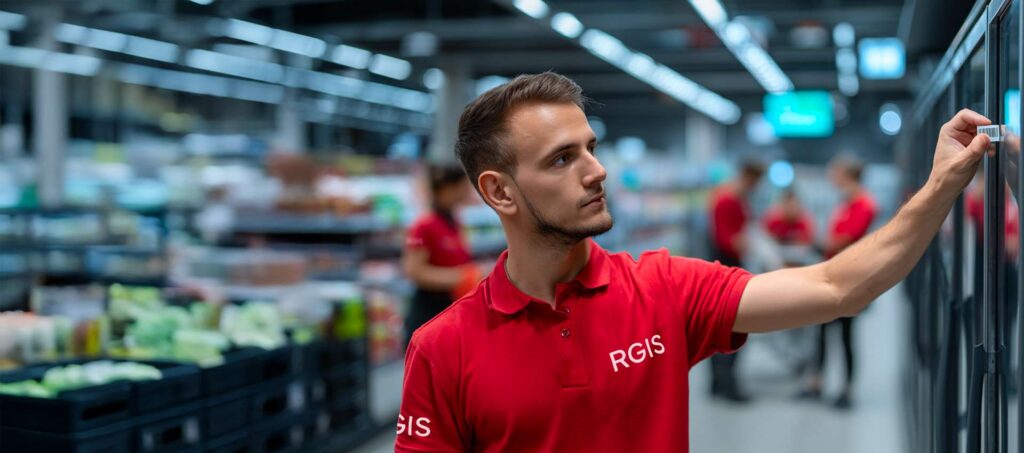
- Deliver high-volume, time-critical replenishment and merchandising
- Complete POS installations and promotional changeovers with speed and precision
- Manage department and category resets overnight or at scale
- Support the back-room organisation to keep stock flowing correctly
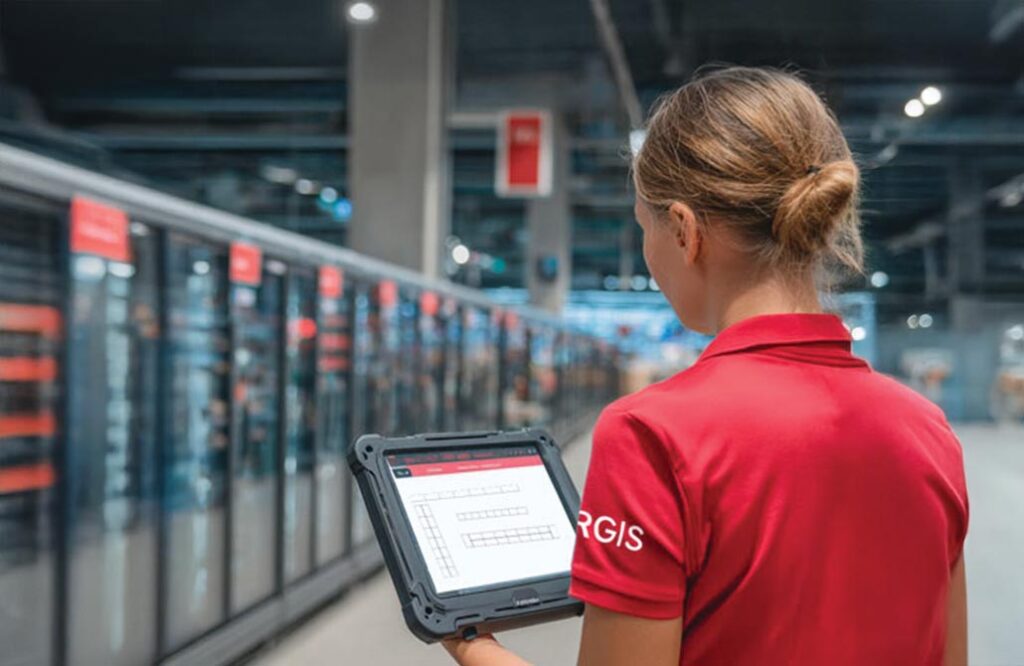
- Ensure shelves match digital planograms and ESL data
- Provide trained personnel for ongoing store transformation programmes
What used to be optional support is now increasingly fundamental to protecting the investment retailers are making in digital store infrastructure.
Retail Technology Doesn’t Replace People, It Changes What They Do
There’s a possible misconception that ESLs, smart fixtures or digital signage remove the need for people. In reality, they shift the focus from manual tasks (paper label swaps, signage printing) to accuracy, replenishment and execution.
Retail technology can enhance operations, but only if the fundamentals of stock placement, availability, and compliance are consistently delivered. That’s where expert operational teams play a critical role in ensuring the digital store operates as intended.
The Future: Blended Digital Systems With Specialist On-Site Support
As the digital store evolves, outsourcing is not simply a cost-saving tactic; it has become a strategic necessity. Accurate shelves, organised back rooms and precise promotional execution are what keep technology effective and customers satisfied.
The next stage of retail transformation will not be defined by which retailers adopt technology fastest, but by those who execute it the best. And the best execution happens when retailers combine the power of technology with the expertise of specialist teams who understand the detail behind every shelf, product and display.