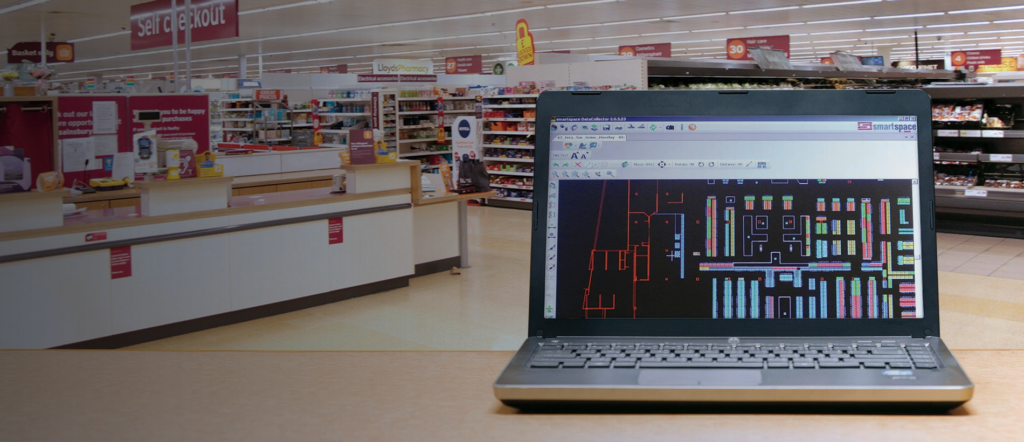
With the right expertise and technology, professional inventory service providers can save businesses time, money, and resources by streamlining operations and optimising the supply chain.
Types of Retail Stocktaking Methods
Retailers typically rely on one of two stock tracking methods: periodic or perpetual.
1. Periodic Stocktaking
This traditional method involves manually counting stock at set intervals—monthly, quarterly, or annually. To perform a full count, businesses often need to temporarily close stores or specific sections, disrupting operations and potentially impacting sales. This is why more businesses are choosing to outsource stock counts to professionals to aid inventory management.
2. Perpetual Stocktaking
Perpetual stock systems track stock levels in real-time using barcode scanners, RFID tags, and POS systems. These systems automatically update stock records as items are sold or received. They’re more efficient and accurate than periodic methods, giving businesses continuous visibility into their stock without interrupting day-to-day operations.
Common Challenges with Retail Stock Counts
Retail stock audits can be complex and time-sensitive. Common challenges include:
-
Time Limitations: Stock counts often happen outside business hours, leaving a limited window to complete the process.
-
Human Error: Mistakes in counting or data entry can lead to inaccurate stock records and lost revenue.
-
Shrinkage: Theft or mismanagement can lead to missing or damaged items.
-
Inconsistent Records: Discrepancies between system data and actual stock can cause stockouts or overselling.
Tips for Improving Stock Accuracy and Efficiency
To run stock counts effectively and reduce errors, businesses should:
-
Plan Ahead: Make sure staff is trained and equipment is ready before beginning the count.
-
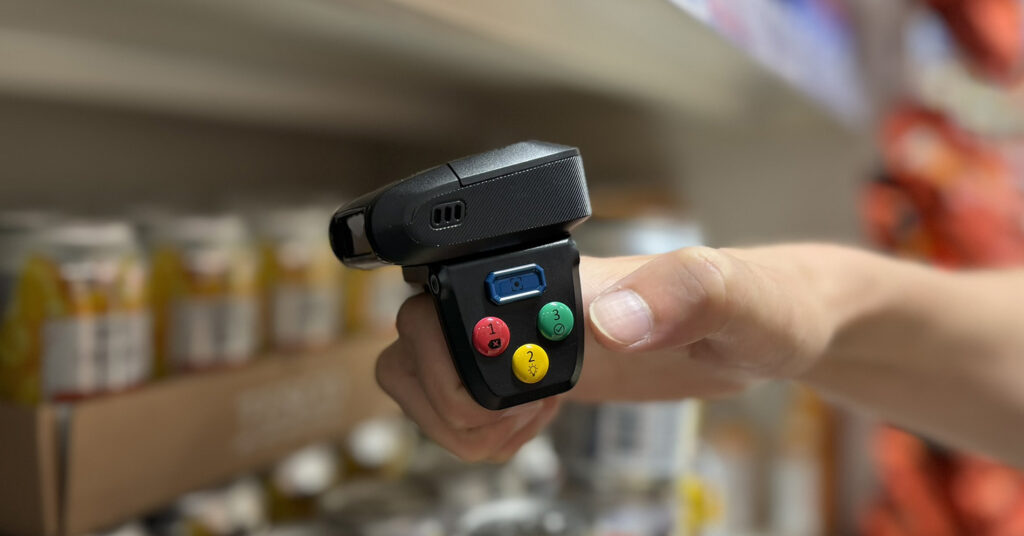
Use Technology: Tools like barcode scanners, RFID readers, and mobile apps can speed up counting and improve accuracy.
-
Prioritise Accuracy: Encourage teams to double-check counts and enter data carefully.
-
Limit Business Disruption: Schedule counts during off-peak hours or slower business periods.
-
Consider Professional Stocktaking Services: Outsourcing to an expert provider brings in trained personnel and specialised tools to get the job done accurately and efficiently.
Best Practices for Minimising Stocktaking Errors
Improving stocktaking accuracy is essential for smooth operations. These best practices can help reduce errors:
-
Train Staff Properly: Make sure team members know how to perform counts and use the tools correctly.
-
Use Checklists: Ensure that all areas and product types are covered during the count.
-
Verify Data: Cross-check physical counts with system records to spot inconsistencies.
-
Conduct Spot Audits: Random checks can catch issues early and improve accountability.
How Technology Supports Retail Inventory Management
Modern technology is essential to running effective inventory operations. Key tools include:
-
Barcode Scanners: Speed up counting and reduce manual entry errors.
-
RFID Tags: Track product movement in real time throughout the store or warehouse.
-
Point-of-Sale (POS) Systems: Provide live sales and inventory data, helping you forecast demand and replenish faster.
-
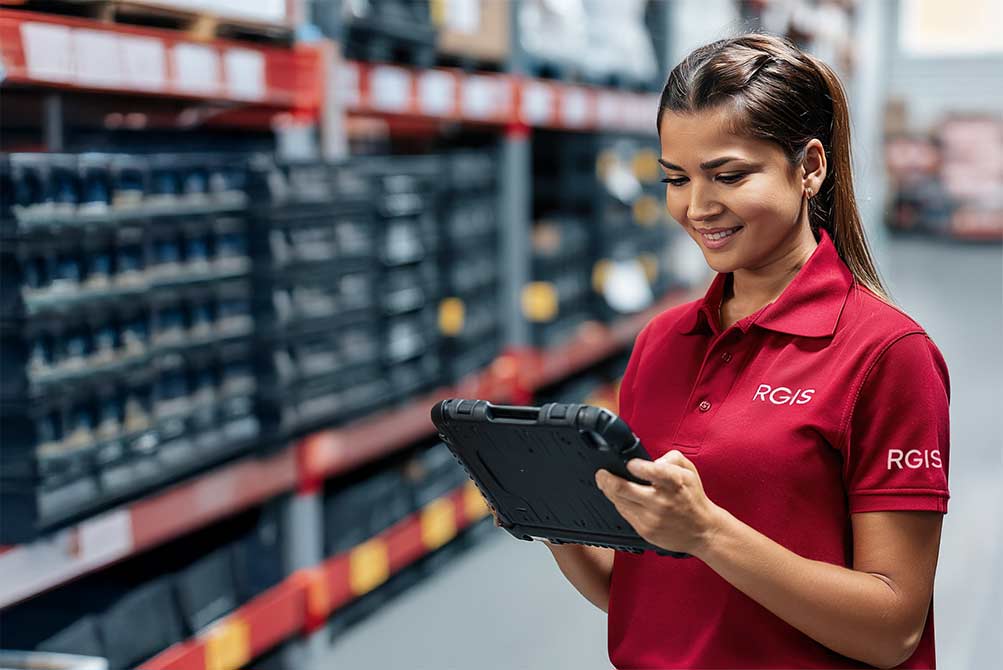
Mobile Devices: Smartphones and tablets let staff record counts and communicate on the go.
Why Work with a Professional Stocktaking Service Provider?
For many retailers, in-house stock counts are time-consuming and costly. Outsourcing to a professional stocktaking company provides:
-
Experienced Staff: Skilled auditors trained in efficient and accurate inventory processes.
-
Specialised Tools: Access to advanced technology and inventory software.
-
Minimal Disruption: Stock counts can be performed outside of operating hours.
-
Scalable Solutions: Services tailored to your inventory size, store type, and business needs.
Key Benefits of Outsourcing Retail Stock Counts
-
Cost Savings: Avoid buying expensive software or training in-house teams.
-
Time Efficiency: Professionals complete counts faster with fewer mistakes.
-
Higher Accuracy: Expert teams use proven processes and technology.
-
Operational Focus: Your internal team can focus on customers while inventory specialists handle the audit.
Conclusion
In a competitive retail environment, efficient and accurate inventory management is essential. Retail stock audits help businesses maintain control of stock, reduce shrinkage, and make better decisions. With the right mix of best practices, modern tools, and expert support, companies can improve accuracy, increase efficiency, and streamline operations.
By partnering with a professional stocktaking service provider, businesses can stay ahead, saving time, reducing costs, and maintaining a strong supply chain.