
Layout
3D
Insights
Store
Tracking
Asset
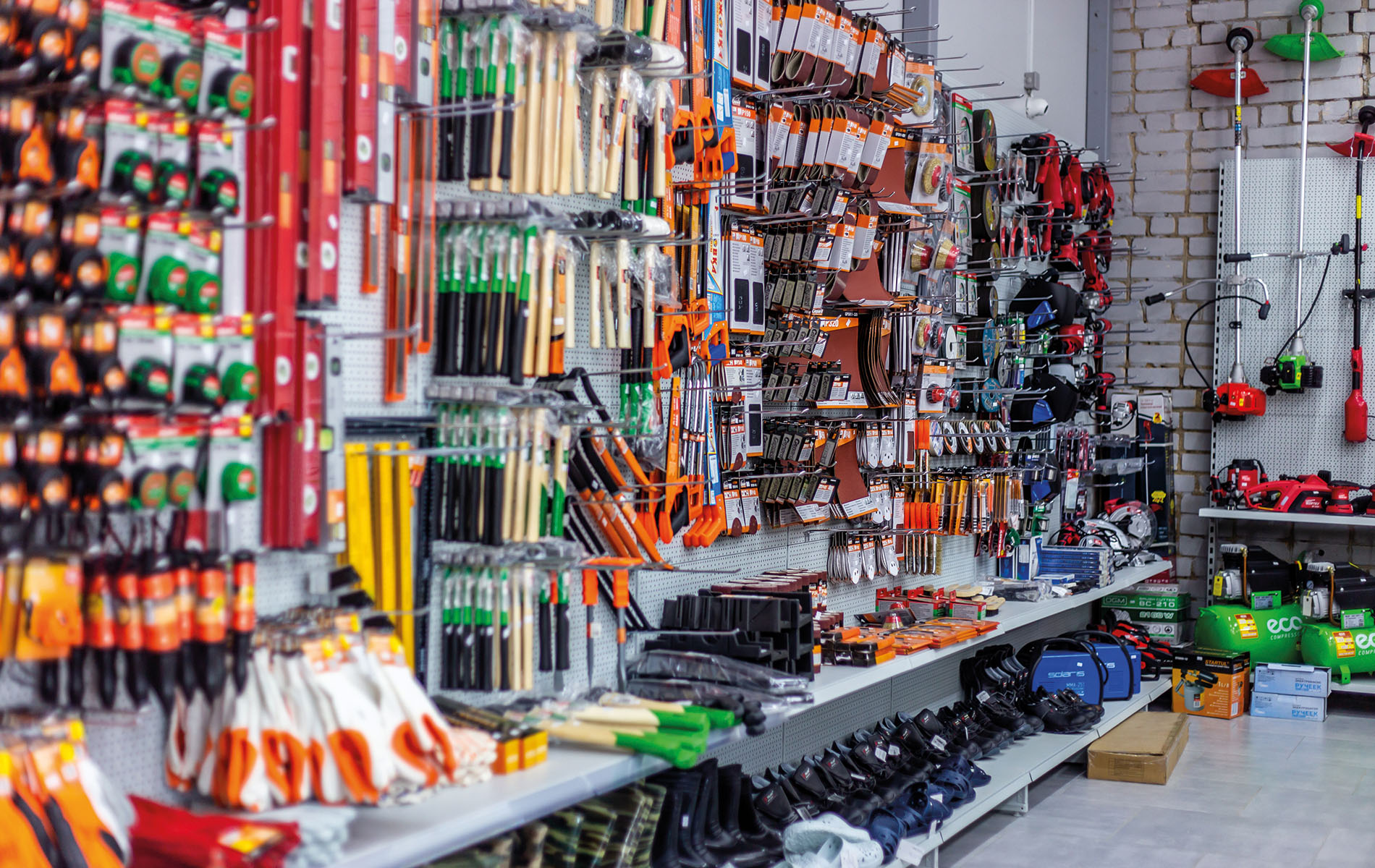
A multi-national DIY retailer operating hundreds of stores in several countries required the support of RGIS. The retailer wanted to improve individual store performance in terms of sales and profitability while driving efficiencies into the process that will significantly reduce in-store implementation costs during refits and new store builds.
THE CHALLENGE
The multi-national DIY retailer identified the requirement to implement a macro space planning solution. So required RGIS to provide the following:
- Support the creation of accurate and detailed multi-dimensional company-wide and individual store layouts
- Store Clustering so that similar stores could be analysed, compared and planned together. Ensuring that particular strengths and issues could be accommodated for
- Improve the accuracy of store level merchandising data (actual data rather than assumed)
- Improve the measurement of the effectiveness of planograms in individual store layouts/configuration
- Enable the use of 3D modelling of store merchandising layouts
- To ensure the new solution would integrate with the customer’s existing systems and software
- Allow the allocation and tracking of merchandising equipment (assets) and POS
Recent Case Studies
Why RGIS?
Customers use RGIS for macro space planning solutions to gain accurate, data-driven control of store layouts across their entire estate. This enables faster decision-making, consistent execution, and optimisation of space, merchandising performance, and sales outcomes.

Our Solutions
The DIY retailer partnered with RGIS to create a SmartSpace® planning software solution, and RGIS provided the following:
Surveyed all stores, including all of the equipment, sales floor areas and merchandise (planograms) allocation to each individual fixture. To make sure all the data was accurate
Customised the SmartSpace® solution, designed significantly to improve planning processes and provide efficiency gains
Implemented the SmartSpace® solution which allowed users to create and analyse macro store plans. For both new stores and existing stores
Linked the SmartSpace® solution to a number of the retailer’s data sources, including sales and margin data, product data, customer insight data and stock loss data
Results
The DIY retailer found by outsourcing the SmartSpace® planning software solution project to RGIS, the following results were achieved:
Implementing SmartSpace® ultimately enabled quicker and more accurate decisions regarding space utilisation and proximity of categories, with an improved service in stores
Integration of the solution was completed to share both micro and macro space data between the systems and planning teams
The SmartSpace® solution provided the retailer’s users with the capability to customise and create reports by selecting a number of data fields from the list of fields available
Improved productivity was achieved by utilising the data from the SmartSpace® reports. As a result, floor plans, promotional space, flows, fixtures, and lifecycle processes are now actively managed and optimised on an on-going basis
A sales increase was identified and calculated based on the remodelling of existing space within stores to its optimum configuration
The project was delivered on time and within budget, due in large part to the team’s exclusive focus on the key objectives, and RGIS’ constant aim to improve project insight and efficiency

Conclusion
By partnering with RGIS to implement the SmartSpace® macro space planning solution, the DIY retailer gained a single, accurate, and data-driven view of store layouts across its entire estate. The integration of real store data, advanced planning tools, and performance insights enabled faster, more confident decisions on space utilisation, merchandising effectiveness, and asset management. As a result, the retailer improved productivity, optimised store layouts, delivered measurable sales uplift, and established a scalable platform to support ongoing store planning and performance optimisation.