
Stores
120
Items per gondola
6
Plans
2D
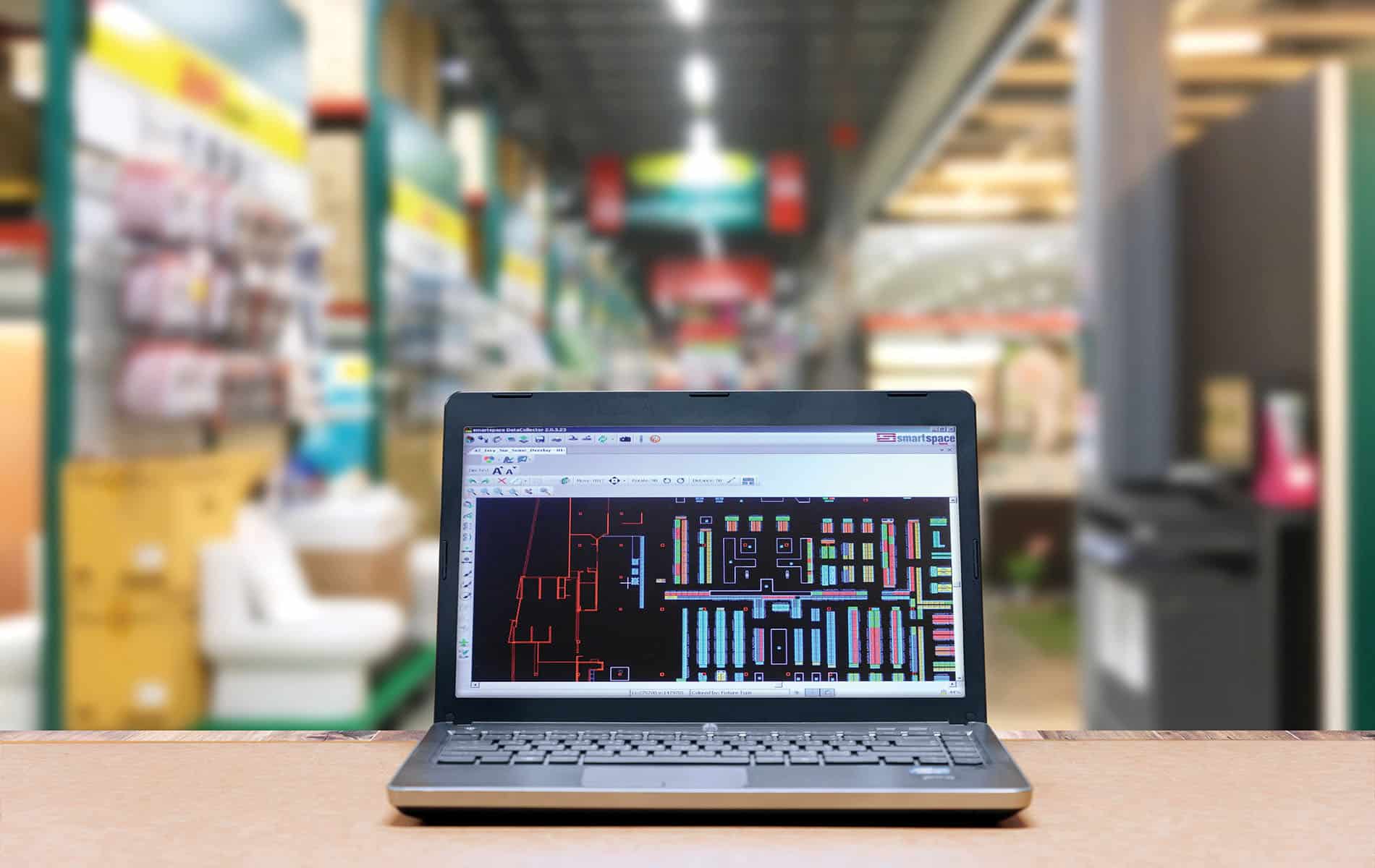
For each store, the national DIY retailer sought to visualise the actual layout of the shelves and measure the efficiency of the allocation of space.
THE CHALLENGE
The retailer partnered with RGIS to verify the accuracy of the store plans and obtain shelf space performance indicators. The customer wanted:
- Model all of its 120 stores in 2D in a tight four-month timeframe
- Locate fixed furniture and product categories in each of its stores
- Obtain land use reports and profitability indices by family and sub-family
- Update the store plans already redeveloped to ensure the compliance of the installations carried out
Recent Case Studies
- Evolving Central Checking Through 15 Years of Supply Chain Partnership
- Comprehensive Stock Auditing for the Automotive Sector
- Industrial Inventory Count Across Five Complex Warehouse Zones
- Delivering a Global Enterprise Inventory Solution Across 13 Manufacturing Plants
- Supporting Retail Chain in Finland with Cyclical Retail Stocktaking
Why RGIS?
For each store, the national DIY retailer sought to visualise the actual layout of the shelves and measure the efficiency of the allocation of space.

Our Solutions
RGIS produced the following for the retailer:
Three RGIS employees conducted two to three survey audits per week for four months
Reports of the measurements by laser reading of the perimeter of the stores (contours and walls) and the layout (furniture, gondolas, racks, aisles, reception and checkout area, showroom and podium, storage areas)
Updating all elements in existing plans, including:
Architectural obstacles present on the shelf (e.g. columns, downpipes and air conditioning units)
Fire equipment (RIA, extinguisher, sprinkler) and emergency exits
The audit of six items per gondola element to supply 2D ground plans
Land use plans in Autocad format, for the entire store estate
Profitability analysis of the surfaces allocated by family and subfamily in square metres and developed linear metre
Results
The partnership with RGIS has enabled the retailer to obtain:
120 store surveys completed within the time allocated
A global vision of each point of sale with location of fixed furniture and product categories
Reliable and usable analysis data, restored in Excel, from turnover to M² and linear meter developed by family and sub-family
AutoCad plans updated and immediately integrated into the customer’s database without the need to modify them

Conclusion
By partnering with RGIS, the retailer achieved a fully modelled and validated 2D representation of its entire 120-store estate within the four-month deadline, providing a consistent and standardised view of layouts, fixtures and product category allocations.
The updated AutoCAD land-use plans and detailed profitability analyses by family and sub-family delivered clear visibility of space utilisation performance, enabling the retailer to align merchandising strategy with measurable return per square metre and linear metre. With accurate, integration-ready data and verified compliance of redeveloped stores, the retailer now benefits from a robust foundation for future refits, space optimisation initiatives and performance-driven decision-making across the network.